
Creativity & Constraint in Music: A Dawless Perspective - Part 3
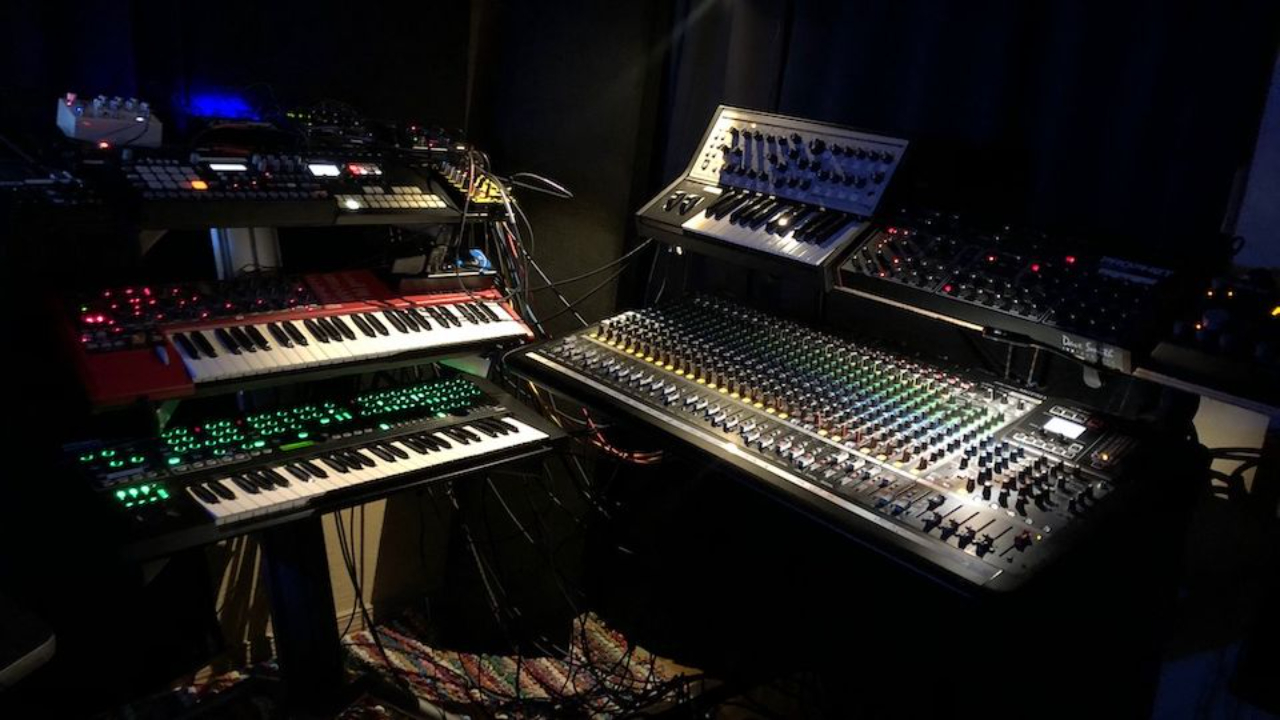
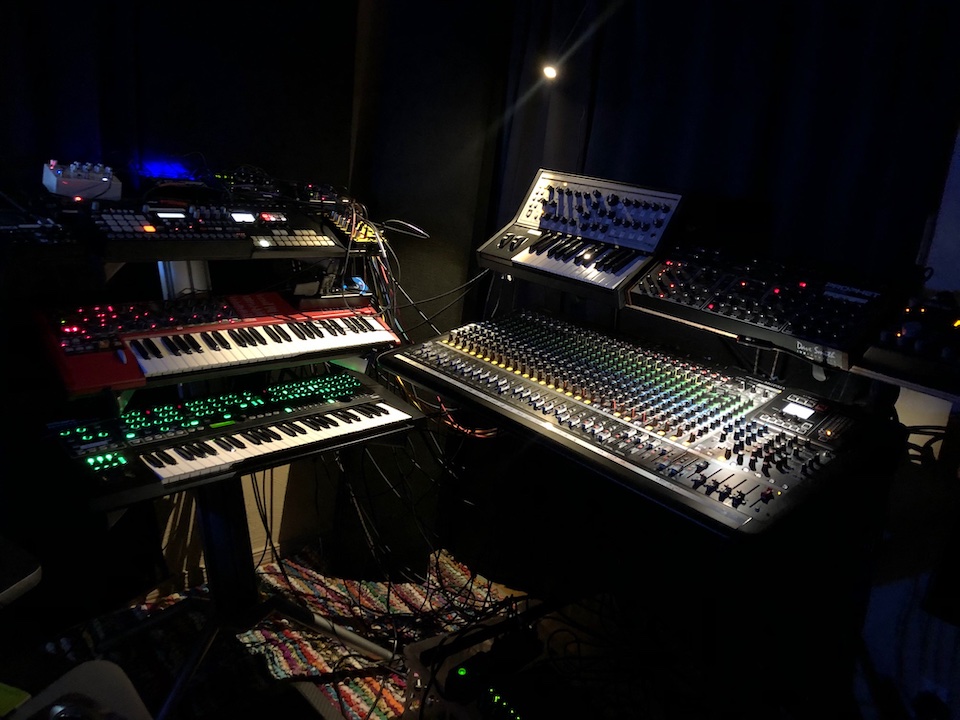
An old iteration of my rig, "the terminal". Some aspects have changed while others haven't. Whenever I make a change I have to "re-synth" the old songs; they never sound the same but I think that's kind of cool.
Hello friends. Welcome back for part 3 of A Dawless Perspective, a series in which we're exploring a different way to make electronic music.
Today we're going to get a bit philosophical; after all what is art without a little philosophy.
This philosophy has to do with how constraints (aka limitations) affect our musical output. There are examples of these constraints all throughout history where a musician's environment directly affected their music, something we don't really have to think about in our world of DAW-based production. What I think is extra interesting is that as dawless musicians we're engineering our own systems of constraints; our self-created sonic infrastructure is an act of art just as much as the notes we play.
I realize I'm getting a bit ahead of myself, we're not going to get too into dawless sonic infrastructure today, that's coming in part 4. Today our discussion is going to be much more high-level than that, about all music as a whole, not any particular style or genre. These ideas are truly universal, at least I certainly think so. But enough with the chatter, let's get into it and you can see for yourself.
Music without Limits
In our modern world, containing fancy multi-core computers and millions of software plugins, electronic music production has become wholly synonymous with the digital audio workstation, or DAW. The DAW itself is a blank canvas that itself provides access to every musical color and paintbrush the world has ever seen. In a DAW composers have access to every instrument, every building, every microphone, amplifier, speaker cabinet, entire orchestras and then some.
Some DAWs can even write the music for you, like Logic Pro's automated drum tracks. While, sure, one can place limitations upon themselves in some abstract way, the DAW truly represents a place where anything is possible and conventional limitations of music creation cease to exist.
Whether this is a good or a bad thing for music, that is an exercise for the reader. Personally, I think it's complicated. Good thing I love complexity.
When it comes to the art of recording, mixing and all that stuff we typically refer to as audio engineering, I think a DAW is an absolute godsend. As someone who spends time on analog gear all the time I can attest, as I'm sure anyone who mixed pre-daw can as well, tasks like mix-recall or having to constantly recalibrate your tape machine doesn't always feel like the most fun.
The simple fact is the DAW provides some incredible advantages when making records, advantages that many of us (including me) absolutely need in order to get our music out there.
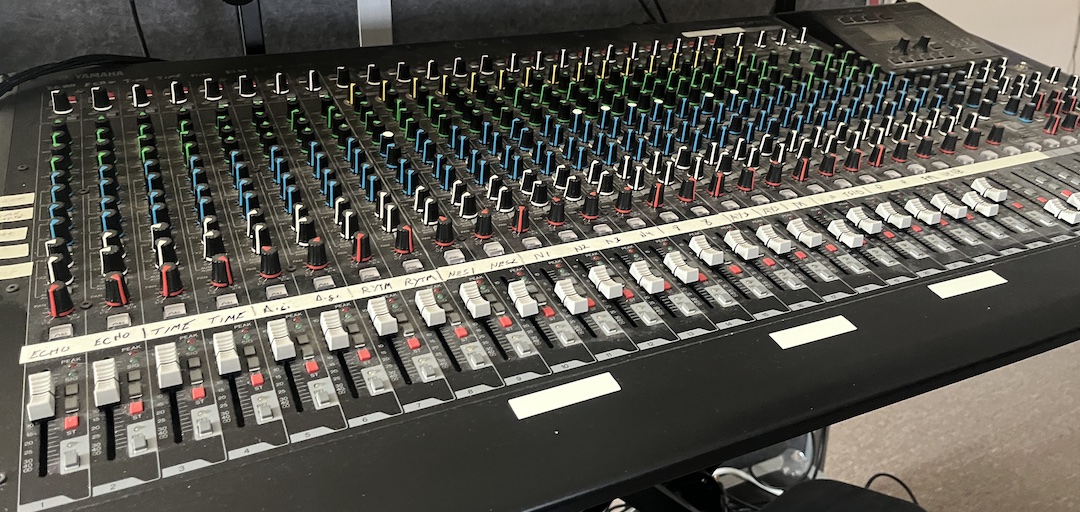
Even as a dawless musician sometimes my analog gear drives me crazy. For example some mixing decisions are better decided once, during sound check. A rock band wouldn't want the drums to change volume every song most of the time, neither would I.
We can't claim that a DAW stifles creativity either. Just consider the styles of music that have emerged as more and more musicians have had access to the DAW. Liquid, Glitch, Krunk, Chillwave, Brostep, Outrun, and the list goes on and on.
Take glitch as a great example, this scene loves to create unique kick drums by layering multiple kick samples; this would be impossible if not a nightmare scenario on a typical drum machine. All these styles born from the DAW are absolutely amazing and they are made possible because of the limitless potential of the DAW.
But what if I told you constraints have affected music throughout all of history? You'll see in a moment that the environments for which music was created influenced the music itself. While we've already seen that music composition without limits leads to amazing results, we will now see that for thousands of years our limitations have been instrumental in shaping music (see what I did there?). I find these ideas absolutely fascinating, especially when coming from the seemingly limitless world of the DAW.
Whereas these days electronic music can be seemingly anything limited by perhaps only the genre, what happens to electronic music when it is put in a tightly constrained box? And when that box is a construct that comes from the musician themselves, how does that then affect the music?
That this "box" I'm referring to is our dawless rig and I argue that how we engineer that "box" is as much an aspect of our art as is our melodies. Now whether this box is or is not a good thing I think once again is going to be an exercise for the reader.
I'm sure there are plenty of folks who hear dawless music and simply find it to be too experimental or that it fails to meet the expectations set forth by big producer-djs like Carl Cox, Dj Denise, Subfocus, and Ill Esha (yea, I had a raver phase 20 years ago, plur); obviously I'm not one of those people. Either way, I find that ways in which systems of constraints influence music to be both fascinating and wholly integral to the art of dawless music.
That said, you don't exactly have to take my word for it; I brought sources!
Psycho killer, qu'est-ce que c'est?
I'd like to continue today's philosophy discussion by talking about a book I read a while back. No no, I'm not about to drop Rimsky-Korsakov's Principles of Orchestration on you (talk about a dense read). We're actually going to talk about a book by a much more modern artist. You may have heard of him, the front man for the legendary band Talking Heads, David Byrne. As it would turn out David Byrne writes books and those books have some pretty incredible insights; insights that completely changed the way I think about dawless music and music creation altogether.
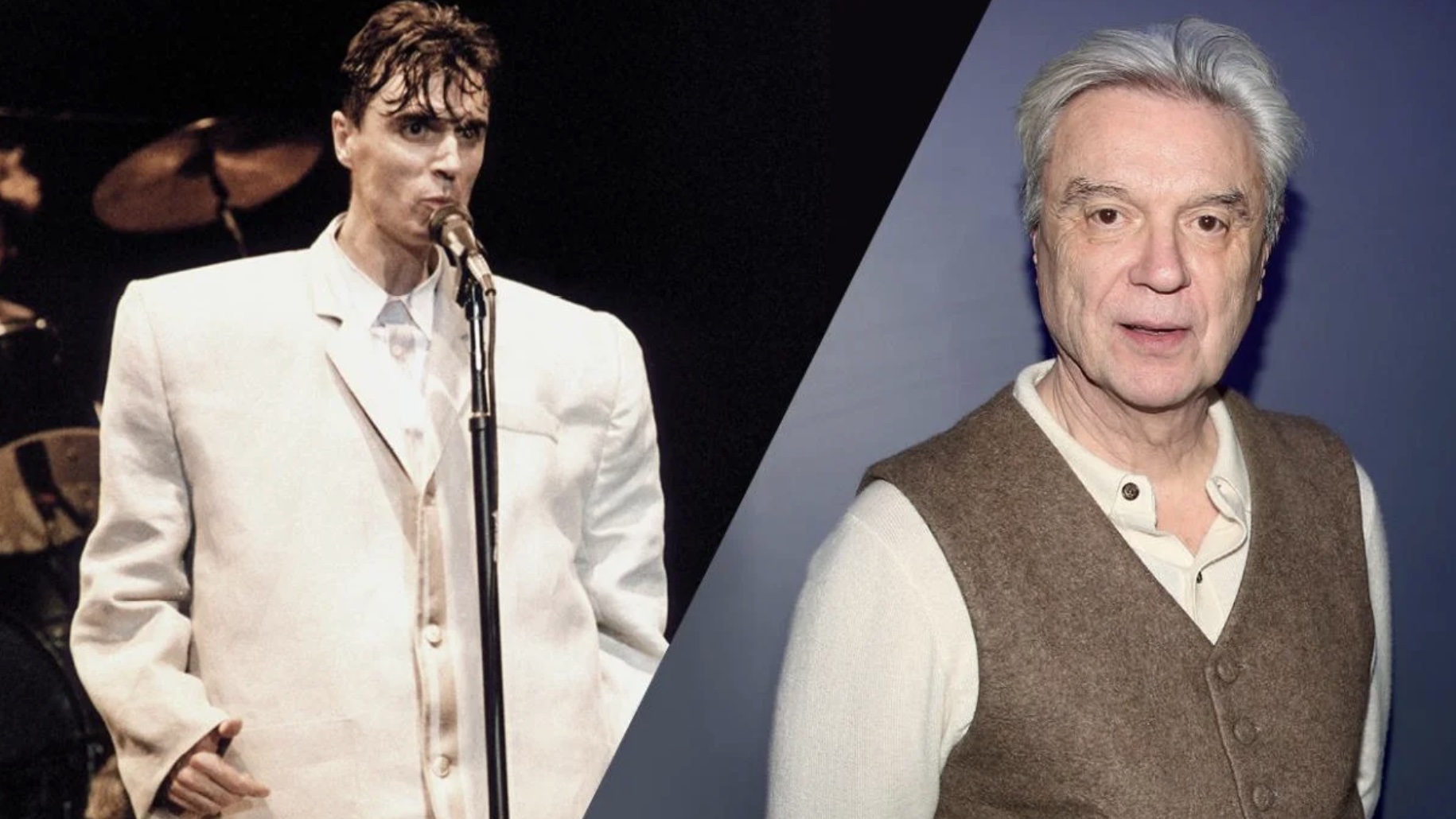
Back in the day David Byrne taught us to Stop Making Sense; these days he makes all the sense in the world. Not only a musician, he writes incredible books and runs a fantastic non-profit that disseminates nothing but good news called Reasons to be Cheerful.
That book in question is How Music Works published way back in 2012. This book covers a number of stories from David's career, including stuff from the aforementioned Talking Heads. That stuff's cool and all, and certainly worth your time, but the magic for me happened in chapter 1 titled Creation in Reverse.
In chapter 1 Byrne argues that music is not so much a byproduct of our creative passion so much as it is shaped by the environment in which the music was created. Note that he's not saying your passion isn't important and not an aspect of your music, but there's more to our environment that shapes our creative output than we typically intuit.
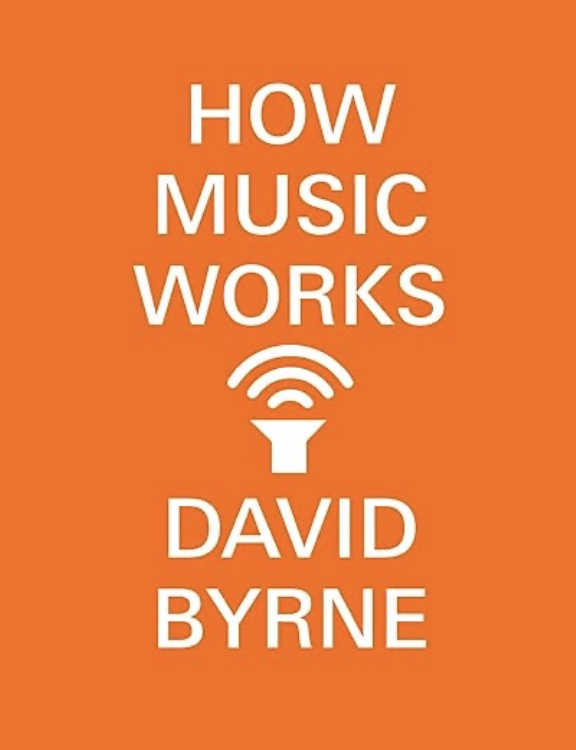
"In a sense, we work backward, either consciously or unconsciously, creating work that fits the venue available to us." - David Byrne
Consider living in some distant history where computers don't exist, and in fact, there may be only one or two places where music can even happen. Depending on the year and location, you may only have access to a gothic cathedral, an aristocratic ballroom, or maybe music just happens completely outside.
Each of these different places have distinct reverberation characteristics. Whereas in a gothic cathedral a sound may echo seemingly endlessly, playing music outside may involve no sound reflections at all.
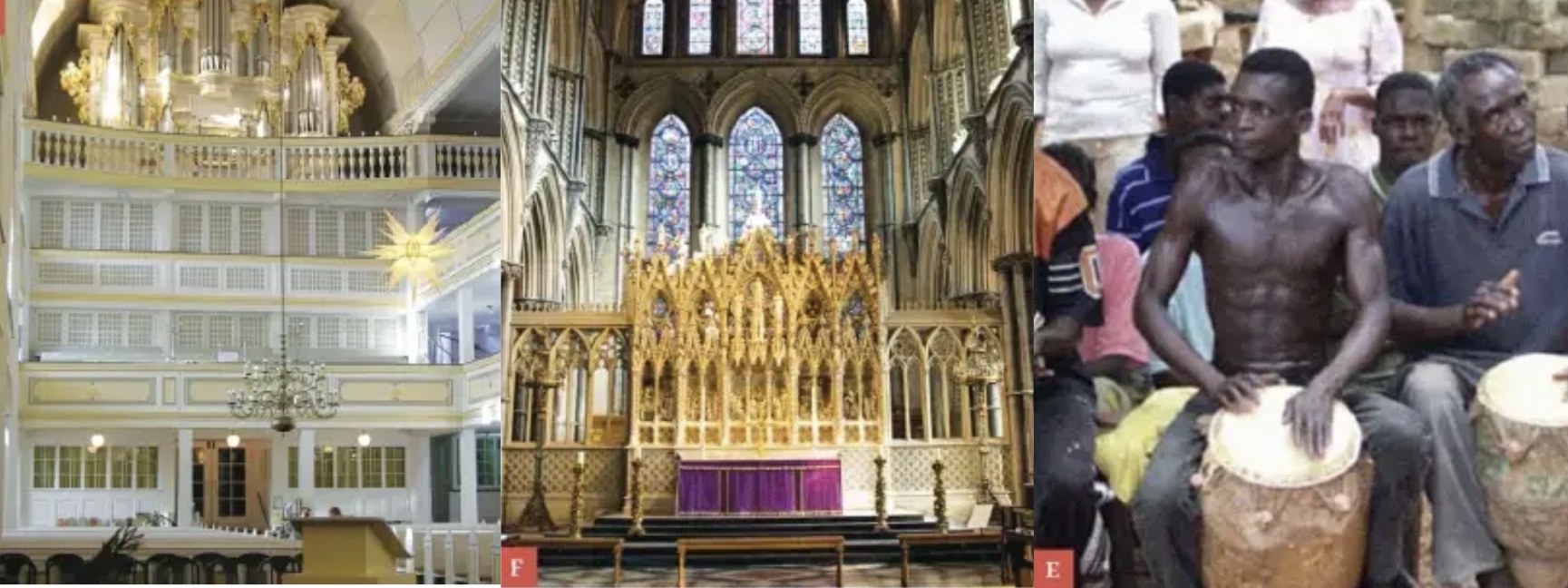
Three different spaces, three very different responses to sound. We will write music that fits the venue, but that music might not work anywhere else.
Now consider the music to come from such spaces and how other music would not work in those spaces. A Gothic cathedral is a big space with lots of looming hallways and high ceilings; a sound will take a long time to fully dissipate.
The more sounds created in this gothic cathedral the more all the sounds will clash and bump into each other as they reverberate forever through the dark corridors. While this environment isn't ideal for music with a lot of detail, say intricate drum performances with polyrhythms, this environment is fantastic for music like Gregorian Chant.
By contrast, if you're living in Africa a few hundred years ago and making music outside, there's no reflections anywhere to be found; those polyrhythms are going to sound great and your ear will delight in the music's rhythmic complexity. Now take your Gregorian Chanters and place them outside in the middle of Africa; without all that cathedral reverb Gregorian Chant doesn't really work all that well does it?
Limitation and the Grandmaster
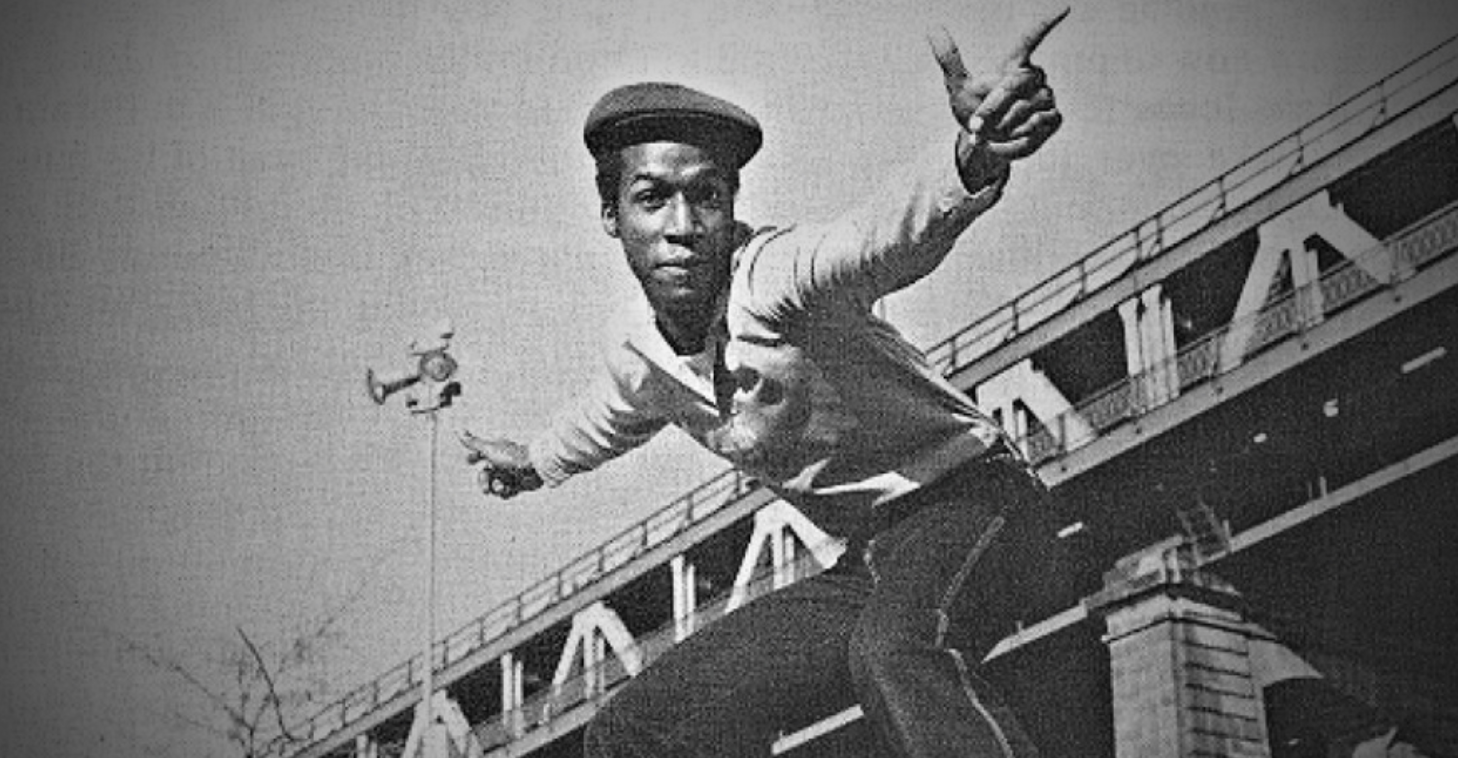
If Grandmaster Flash had access to a minimoog instead of turntables, what do you think would have happened with hip-hop?
How about another example, and this one I'll take from my modern music history courses instead of Byrne's book: the birth of hip-hop in New York City in the early 1970s. Now I know he didn't do this alone, but for the sake of today I'm only talking about the legendary Grandmaster Flash. Flash grew up fascinated by his father's record collection.
An environment in which Flash had access to records full of breaks and turntables, an environment shared by others in that early hip-hop scene. He didn't have access to a minimoog or even crossfaders, but he had access to records, record players, and his own ingenuity. And so Flash innovated with what was available to him and developed his Quick Mix Theory helping to set the stage for hip-hop to become absolutely massive. The constraints of Grandmaster Flash's environment is a significant contributor to the musician he'd become and the movement he'd help start.
The Invisible Hand
Grandmaster Flash is one of many examples of limitation-based influence on music. Dig around and look into your own favorite artists, you'll find this limitation-creativity coupling everywhere. Sometimes these relationships are going to be really straight forward, "All I had access to was a Kimbala and so that's what I composed for". Whereas in other cases there will be many contributing constraint-based factors including venue, technology, instruments, and even access to certain people or ideas. Constraints always and will forever exist as we are born into this world, not its creator, but those constraints shape our music and have for all time.
Now, before we wrap up there's an important thing to note, in many of these stories you will see that the constraints are imposed on the artist via some uncontrollable force (aka reality). This is a normal fact of life, there's only so much control we have over the world around us. But what's different since the invention of the DAW is now the conventional notion of a limitation no longer applies to music.
We have so much music technology available we can literally "fake" just about anything we want in our DAW. But this is where I think things get really cool as the musician's relationship to constraints has flipped completely on its head; we now do have control over our limitations to a point in a way no one throughout all of musical history ever has.
And so I pose this question to you: What happens when we, the musicians, control the system of constraints instead of those constraints controlling us?
Class Dismissed
Friends, you have survived my music-history/philosophy lecture; pat yourselves on the back, the hard part is over. We've seen historical examples of how venue or access to technology influenced different styles of music. And I mean, Byrne tells it better than I ever could so if this is interesting to you at all I'd really encourage you to read Byrne's book How Music Works. But, if nothing else, I'm hoping I'm able to at least make this point to you: the limitations we create music within impacts the music we create.
If you take the time to look around, I think you will find examples of Byrne's thesis happening over and over throughout history; I certainly did and it completely changed the way I think about dawless music and music in general.
Okay, and that's great but how does all this cool philosophy impact dawless music? Shouldn't we be talking about synths or something?
It turns out there's quite a bit to unpack when we apply our control over the systems of constraints to dawless music. That unpacking is exactly what we will do in the coming episode of A Dawless Perspective. In part 4 we will look at several case studies around the synthesizers I use, and how those instruments present constraints that affect our compositions.
Part 4 will be more technical and we will finally start to explore arguably the most important aspect of dawless music, the instrumentation. I think exploring the dawless instrumentation without understanding the relationship between creativity & constraint misses the point is just synthfluencing (aka hyping gear with no real artistic application).
I hope you enjoyed our little tangent today, and you can look forward to seeing this philosophy in action next time.
Thanks for reading friends, we'll talk again soon.
About the Author
Carl Cosmos produces and performs music as vt100. While he got his start in DAW based music production, he has focused on dawless electronic music production for the last 15 years across varied genres. Electronic music rooted in reality and time, through vt100 he pursues a new authenticity for electronic music.
He often refers to his dawless synthesizer setup as a "spaceship" due to the visible controls; it currently consists of 26 distinct pieces of gear focused around analog and digital subtractive synthesis, FM synthesis, and SID ("chip") synths with the very occasional sample dropped in for good measure.
Currently he is working on vt100's fifth studio album Hyperspace and recently enrolled in the Next Level Sound mixing and mastering program.
Stay connected with news and updates!
Join our mailing list to receive the latest news and updates from our team.
Don't worry, your information will not be shared.